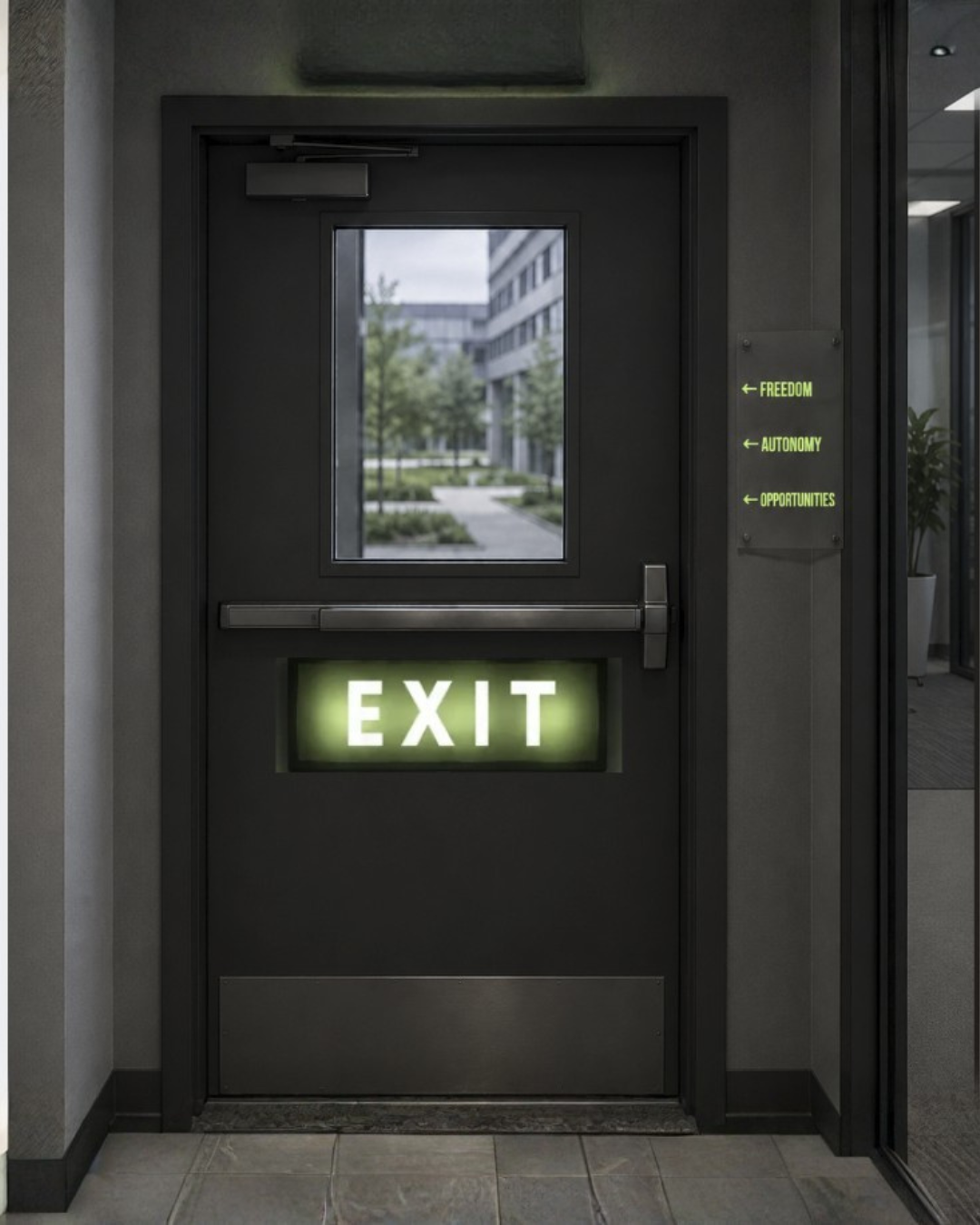
Resilience Isn’t About Coping With More

You are managing deadlines at work, your household & family commitments, often all at once. You are not new to making sound decisions in both domains. From the outside, you appear capable and in control.
But underneath, perhaps you are more irritable than usual. Small problems feel disproportionately difficult. You struggle to switch off, even when the working day is over. You may find yourself overthinking decisions, avoiding conversations or simply pushing through because other people depend on you.
This is often what depleted resilience looks like. Thankfully, it isn’t always a dramatic breaking point. Sometimes, it’s the gradual feeling that everything requires more effort than it used to.
Resilience is frequently misunderstood as the ability to keep going regardless of the cost. In reality, it is our capacity to adapt, recover and make constructive choices, particularly when life feels uncertain or demanding.
The encouraging part is that resilience can be strengthened. Here are three places to begin.
1. Notice what is happening sooner
Under pressure, the brain becomes more focused on a threat, which can be anything from criticism to lack of control or uncertainty. Your thinking often becomes narrower, your reactions faster and your ability to see different options more limited.
Start by noticing your early warning signs, which I call the 'amber stage'. Perhaps your breathing becomes shallow, your shoulders tense or your patience disappears. Maybe you withdraw, procrastinate or try to control every detail. I used to comfort eat during tight deadlines at work.
Recognising these signals creates a valuable pause between what happens and how you respond. In that pause, you regain some choice.
2. Take one small, deliberate action
When you feel overwhelmed, attempting to “fix everything” often leads to a stalemate. A small, completed action is often far more powerful. Close one open loop. Make the call you have been postponing. Take a walk. Write down what is occupying your mind. Set one boundary or ask one person for support.
The action may seem insignificant, but it sends an important message: I am not completely powerless here.
Each small action builds trust in your ability to respond.
Over time, these moments begin to compound, strengthening your sense of agency and helping you approach future challenges differently.
3. Don’t try to be resilient alone
Resilience is often presented as an individual quality, but our relationships play an essential role in how well we cope. I always say, resilience isn’t a solo sport.
Support does not always mean someone solving the problem. It might be a colleague who offers perspective, a friend who listens without judgement or a professional who helps you see possibilities you cannot currently see for yourself.
Consider who helps you feel calmer, clearer or more like yourself and whether you are allowing those people to support you.
These three practices are a starting point, but resilience is only one part of a bigger question: what helps us live and work well, rather than simply endure?
This is where Positive Psychology (PP) can offer something valuable. It is not about ignoring difficulty or forcing yourself to “think positively.” It explores the evidence-based conditions that help people function well and flourish, including strengths, positive emotions, meaning, relationships, hope and accomplishment.
Resilience helps us recover from life’s challenges.
Positive Psychology invites us to go further: to become more intentional about creating a life that feels meaningful, energising and genuinely worth living.
If you want to find out more about how PP can support you in living a fulfilling life, feel free to get in touch.
Read more on the blog